Multi asset- The Buffet Plate of Investing: Why MultiAsset FoFs may be the Future


Investing is a lot like building your perfect buffet plate. Some people like piling on the carbs, some prefer fresh greens, and others balance it out with a bit of everything. In the same way, your portfolio works best when no single flavour dominates. Equity (Large, Mid, and Small cap), debt, gold, silver, and commodities each can bring something unique to the table and your portfolio too. When mixed in the right proportions, they can offer both resilience and growth.
That’s the essence of a Multi-Asset Fund of Funds (FoF). It lets you add multiple asset classes to your investment plate without needing to do the heavy lifting yourself.
Why Single-Asset Investing Has Its Limits
No single asset class performs well all the time. Equity may shine in one cycle and stumble in the next. Gold may act as a hero in turbulent times, but stay flat in calmer markets. Debt may bring stability but can lag when growth surges.
Markets have always moved through cycles. The 2008–2013 period saw global crises and reforms at home. Between 2014–2019, central banks leaned on monetary easing and liquidity, while 2020–2024 brought pandemic disruptions, fiscal expansion, and volatile dollar moves. Different theme have worked in Each phase rewarding different asset classes.
Over the years, returns have swung across asset types.
- Equity has seen its worst in phase like the 2008 financial crisis and Covid pandemic but also rebounded post-crises.
- Debt has been relatively less volatile
- Gold had its golden run too, climbing over 47%[i] so far this year amid uncertainty.
The bottom-line is no pattern has stayed constant and every asset class serves a purpose just like the varied food items on your plate.
This is why chasing one asset is like piling your plate with only one dish. It works until your taste or say the market changes.
The 2025 Landscape: A Buffet of New Themes
Today’s market is buzzing with new themes. Data centres, AI, rising bond yields, fiscal expansion, and geopolitical shifts are already reshaping narratives. Dollar volatility is another wild card. Every asset comes with both tailwinds and headwinds. And no investor can predict exactly which one will shine next.
Multi-Asset Investing: A Complete Buffet
A buffet thrives on variety. One dish may be spicy, another sweet. If one does not hit the mark, the rest still balance your plate. Asset classes move through unpredictable cycles. Even seasoned investors struggle to get the timing consistently right. This is where as an investor, diversification using a “multi asset investing” strategy can help your balance out the volatilities by compensating one asset class’s weakness or downturn with another asset classes’ strength or uptrend, helping you capture emerging opportunities and soften the blows.
Why a Fund of Funds Structure Helps?
A Fund of Funds doesn’t lock you into a single manager, style, or asset. It gives the fund manager the freedom to switch between different themes and asset classes quickly and efficiently. That too without triggering taxation on rebalancing inside the scheme. This denotes true diversification.
The flexibility extends the access to debt cycles, commodities, and even global allocations, helping the portfolio respond faster to changing markets.
How Axis Multi-Asset Active Fund of Fund Works?
This fund of fund’s strategy dynamically allocates to
- Equity: 10–80% of the portfolio (across market cap)
- Debt: 10–80% Active call on duration
- Gold, Silver: 10–35% - Active call between Gold and Silver ETFs
A Flexible Plate for Every Appetite
The upcoming Axis Multi-Asset Active Fund of Fund NFO is designed for investors who want more than a single taste of investment. It does not require you to track every twist in the market. Whether you like a safe, balanced bite or a spicy equity-heavy mix, there’s room for every palate.
It combines diversified equity funds, dynamic debt selection, and tactical calls between gold and silver. A robust Axis internal model guides allocation using four key pillars: Valuations, Macro Indicators, Trends, and Commodities. This is further guided by qualitative judgment of internal committee for events (like geo-political scenarios and market expectations) and sentiment shifts. This helps to offer flexibility, diversify with a single investment and smoothen out volatility to potentially build wealth over time.
Final Bite
In the end, it’s about building a portfolio that can absorb shocks and capture opportunities. A multi-asset strategy does exactly that, steady in storms, agile in rallies.
The buffet is open. Your plate is waiting.
----------------------
[i] As of 29 Sep 2025, https://m.economictimes.com/mf/analysis/gold-etfs-have-given-47-average-returns-in-2025-so-far-should-investors-add-them-now/scorecard/slideshow/124209461.cms#:~:text=%2DInvesco%20India%20Gold%20ETF%20delivered%20the%20highest,BeES%2C%20the%20largest%20fund%20in%20the%20category%2C
Statutory Details: Axis Bank Limited is not liable or responsible for any loss or shortfall resulting from the operation of the scheme.
This article represents the views of Axis Asset Management Co. Ltd. and must not be taken as the basis for an investment decision. Neither Axis Mutual Fund, Axis Mutual Fund Trustee Limited nor Axis Asset Management Company Limited, its Directors or associates shall be liable for any damages including lost revenue or lost profits that may arise from the use of the information contained herein. No representation or warranty is made as to the accuracy, completeness or fairness of the information and opinions contained herein. The AMC reserves the right to make modifications and alterations to this statement as may be required from time to time.
Views and opinions contained herein are for information purposes only and should not be construed as investment advice/ recommendation to any party or solicitation to buy, sale or hold any security or to adopt any investment strategy. It does not warrant the completeness or accuracy of the information and disclaims all liabilities, losses and damages arising out of the use of this information. Axis MF/AMC is not guaranteeing/assuring any returns on investments. The recipient should exercise due caution and/ or seek professional advice before making any decision or entering into any financial obligation based on information, statement or opinion which is expressed herein.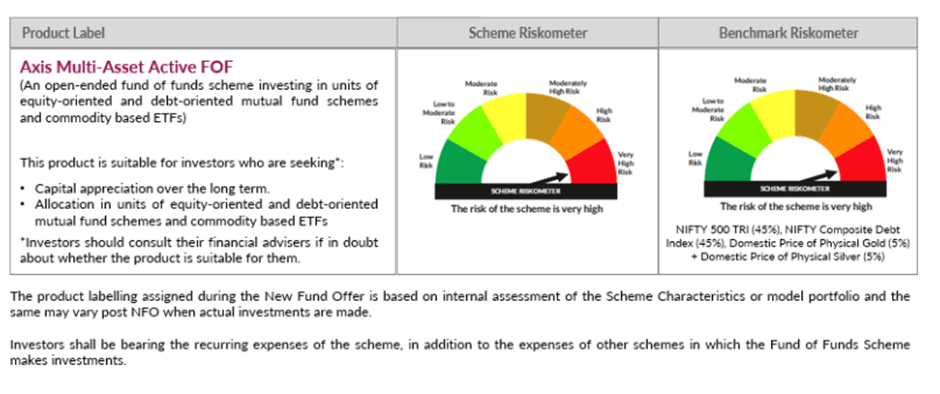
Mutual Fund Investments are subject to market risks, read all scheme related documents carefully.
Calculator
View All