Why Invest in a Mid Cap & Small Cap Fund?


For a lot of individuals, a mutual fund seems like one investment product. But what they don’t understand is that there are numerous products under mutual funds and that there are subcategories as well. For those who do not know, mutual funds are professionally managed funds that invest in marketable securities across various asset classes, including equity, debt, call money, treasury bills, government / corporate bonds, and similar money market instruments. It is the duty of the fund manager to buy / sell underlying assets in accordance with the scheme’s investment objective.
Mutual funds are further classified based on various attributes like risk profile, market capitalization, fund size, asset allocation, etc. Today we are going to lay emphasis on mid cap and small cap funds only. So if you wish to find out more about mid/small cap funds and whether they make a decent investment choice for investors, read further. But first, let us understand what market capitalization means.
What is market capitalization?
Market capitalization is the worth of a company that is traded on the stock exchange. It is calculated by multiplying the total number of shares by the current share price. Market capitalization can be further simplified on the basis of this formula. It is generally referred to as market cap where ‘cap’ stands for capitalization.
Market cap of a company= Current market price of one share x Total number of outstanding shares
What are small cap, mid cap, and large cap funds?
- Large cap mutual funds: SEBI, the mutual fund regulator in India, categorised large cap fund as “An open ended equity scheme predominantly investing in large cap stocks”. To simplify, large cap funds are those mutual funds that heavily invest in companies that have large market capitalization. These funds predominantly invest in financially established companies. Of its total assets, a large cap fund must invest a minimum of 80 per cent in equity related instruments of companies having a large market capitalization.
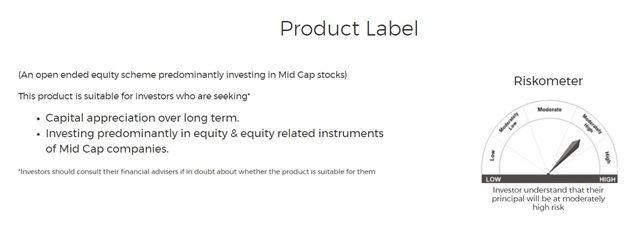
- Mid cap mutual funds: In SEBI’s categorisation, a mid cap fund is an “open ended equity scheme predominantly investing in mid cap stocks.” Mid cap mutual funds invest a minimum of 65 per cent of its total assets in equity and equity related instruments of mid-cap companies.
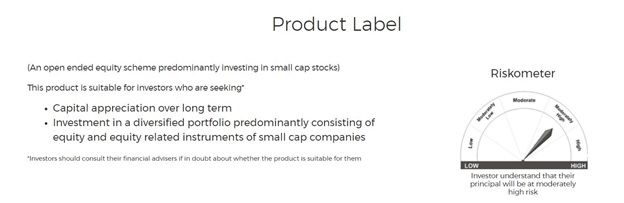
- Small cap mutual funds: SEBI defines small cap funds as “An open ended equity scheme predominantly investing in small cap stocks. “ Axis Small Cap funds must invest a minimum of 65 per of its total assets in equity and equity related instruments of small cap companies.
Why should one invest in mid cap and small cap funds?
While investors may consider all types of mutual funds while financial planning to give their investment portfolio some diversification, here are a few reasons why one might specifically consider investing in mid cap and small cap funds.
- Mid-cap and small cap funds are supposed to garner long term capital gains by investing equity and equity related instruments of companies with small and medium market capitalization. Mid cap and small cap funds generally offer flexibility, and investors aren’t obliged to cling on to their mid/small cap investments. If you want you may withdraw your fund units on any business day. On the contrary, if the small/mid cap companies are underperforming, you may purchase more units at a lower NAV and wait for the small/mid cap funds to perform so that the value of your purchased units increases.
- Large cap funds that invest in companies with larger market capitalization have little scope for the company to reap better capital appreciation. That’s because it is assumed that these companies are supposed to be financially established and hence, they might have little scope for making significant progress. On the other hand, companies with small and medium market capitalization wish to improve their existing financial position and endeavor to become larger corporations. And this is precisely why mid/small funds that invest primarily in companies with small or medium market capitalization stand a chance of notching better interest rates.
- It is mandatory for small and midcap companies to have quality management. It is effective management that plays a pivotal role in any company’s growth by making vital decisions. Such management may also contribute towards running a capable mid or a small cap fund.
Now that you know why small and mid cap funds might be opted for diversifying one’s investment portfolio plan on investing? Before you go ahead and make the actual investment, it is feasible first to understand our risk tolerance and then invest. Because small and mid cap funds are volatile to market fluctuations and during turbulent market conditions, one may lose out on their investments. Hence, it is better that investors understand their risk tolerance and only invest if they have the ability to digest losses. Also, if you are new to investing, you may seek the help of a financial advisor.
Axis Mid Cap Fund
An open ended equity scheme predominantly investing in Mid Cap stocks
Axis Small Cap Fund
An open ended equity scheme predominantly investing in small cap stocks
Mutual Fund Investments are subject to market risks, read all scheme related documents carefully.
Calculator
View All