Budget 2020 - Situation Neutral Budget


Introduction
The budget announced has been measured in the context of a tough economic environment. With an eye on the broad economy, the budget speech addressed a cross section of issues aimed at the long term economic recovery. While we await certain clarifications on the budget with regards to personal taxation, first signs indicate that the budget is an incremental budget that looks to steady the economy and does not structurally change our positioning in debt or equities.
The limited fiscal slippage adopted by the government (as opposed to certain demands for a big stimulus) aims to balance growth concerns without affecting market and debt obligations. The key takeaway here is that the budget was largely a non-event and investors should look to go back to investing roots and focus on the steady improvement in the economy likely over the next couple of years.
Key Highlights
- Change in personal Tax Slab rates.
- Nominal GDP growth rate at 10% of FY 20-21.
- LIC to be Listed.
- Divestment Target at ` 2.1 Lakh Crore.
- Fiscal Deficit for FY 2019-20 at 3.8%, FY 2020-21 at 3.5%.
- DDT abolished for all investors, including mutual funds. Tax on IDCW to be directly paid by investors at appropriate slab rate.
- Focus on improving market access to foreign capital through liberalization and opening limits to FPIs.
Budget Takeaways
The budget did not deliver on key market asks for equity markets around reduction in LTCG rates or ground breaking growth stimulus. However, the government also maintained fiscal prudence by refraining from increasing borrowing limits for the current year and marginally increasing borrowing targets for the next year in line with market expectations.
An important point to note is that the government has aimed at simplifying the taxation process to simplify tax filings for corporates. On the personal taxation front, the optional tax slabs for those individuals not claiming deduction benefits is likely to spur consumer demand from low income groups.
On the debt side, the fiscal stance is on expected lines and will provide a source of relief to the markets. Further expansion of corporate bond limits for foreign investors is also likely to be seen as positive as deeper corporate bond markets will improve market efficiency and transmission of rates.
At Axis MF, given our bottom-up process, we have largely not reacted to the budget both in the run up as well as post announcement. Our stock selection process and portfolio construction continues to revolve around high quality growth companies.
IDCW & Mutual Fund Investments
With the abolishment of DDT, IDCW on equity mutual funds will revert to the slab rate taxation of old. Given this change, investors looking for regular income from their equity investments should look at systematic withdrawal plans from a tax efficiency perspective. Growth option plans continue to offer the best long term investment option for investors looking to participate in the equity story as the incidence of taxation, comes about only once at the point of sale.
Sectoral Impact
| Sector | Announcements | Impact |
|---|---|---|
| Auto & Auto Ancillaries |
| Marginally Positive |
| Agriculture |
| Negative for fertilizer companies Neutral-to-modestly positive for other agri-input companies |
| Oil & Gas | Expansion of gas grid from 16,000 to 27,000kms. Transparent price discovery and ease of transaction to be pursued in gas sector. Budget subsidy for FY20 largely unchanged while for FY21 at 390bn. Abolished anti dumping duty on PTA. Excise duty estimates largely range bound. | Neutral to Negative May lead to APM gas price hike which can be neutral to negative for Gas companies. Neutral for OMCs with no limited subsidy burden risk. Tad Negative for PTA manufacturers as imports become more competitive |
| Information Technology | 1. DDT abolition will improve payout yields for IT companies | Positive |
| Healthcare | Healthcare expenditure budget increased by ~6% to ?675bn. Healthcare expenditure as a proportion of total budgeted expenditure remained same YoY at 2.2%. Viability gap funding for hospitals in tier 2 and tier 3 cities as well as for setting up a medical school. Ayushman Bharat allocation has been maintained at ?64bn vs revised estimate of ?32bn for FY20. Budgetary allocation for Jan Aushadhi has increased to ?0.5bn from 0.43bn in FY20. Proposal to impose a nominal health cess (5%), by way of a duty of customs, on the imports of medical equipment. | Neutral to Negative Marginal increase in cost for hospitals and competition from new hospitals. Neutral for drug marketing companies. |
| Real Estate | Status quo under old tax regime, if one were to opt for the newly proposed tax regime, then exemption not available. Proposed to further rationalize tax on property transaction below circle rate. The budget now proposes 10% (up from 5% earlier) allowed variation between circle rate and consideration as permissible limit, any variance beyond would be taxable. Doing away with DDT for REIT with HoldCo subsidiary structure. Extension of benefits under Sec.80-IBA - Deduction of 100% of profits derived from development of affordable-housing projects by atleast a year | Neutral to Positive IDCW distribution tax at corporate level done away with. Made taxable only in the hands of the investors. Holdco structure now possible under REIT. |
Personal Income Tax Changes
New Personal Income Tax | (No exemption availed) | This is optional
• 10% rate 5-7.5 lakhs vs 20%.
• 15% rate for 7.5-10 Lakhs v/s 20%.
• 20% rate for 10-12.5 Lakhs v/s 30%.
• 25% rate for 12.5-15 Lakhs v/s 30%.
• 30% rate for income above 15 lakhs.

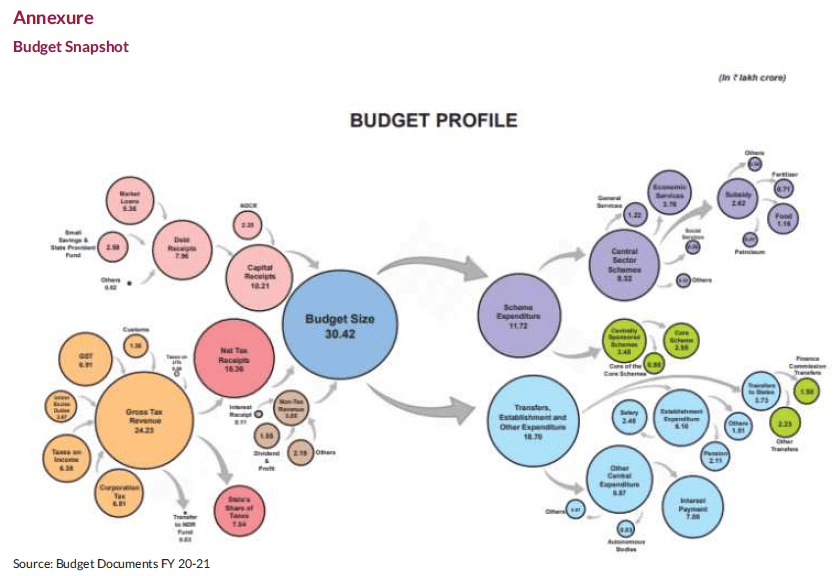
Key Facts
| 2017 | 2018 | 2019 | 2020 | 2021(BE) | |
| Fiscal Deficit (%) | 3.5% | 3.5% | 3.4% | 3.8% (BE) | 3.5% (BE) |
| Nominal GDP (USD $ Billion) | 15,392 | 17,100 | 18,971 | 20,442 | 22,489 |
| Forex Reserves | 370 | 424 | 412 | 467* | NA |
| USD/? | 64.85 | 65.18 | 69.15 | 71.35* | NA |
Source: Bloomberg, Axis MF Research. All Numbers as of respective Financial Year ends.
* As of Jan 31st 2020
Product Labelling
| Fund Name | Riskometer | Product Labelling |
| Axis Bluechip Fund (An open ended equity scheme predominantly investing in large cap stocks) | 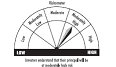 | This product is suitable for investors who are seeking* • Capital appreciation over long term • Investment in a diversified portfolio predominantly consisting of equity and equity related instruments of large cap companies |
| Axis Long Term Equity Fund (An open ended equity linked saving scheme with a statutory lock in of 3 years and tax benefit) | 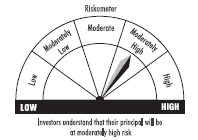 | This product is suitable for investors who are seeking* • Capital appreciation & generating income over long term • Investment in a diversified portfolio predominantly consisting of equity and equity related instruments. |
| Axis Growth Opportunities Fund (An Open-ended Equity Scheme investing in both large cap and mid cap stocks) | 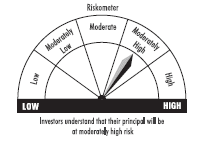 | This product is suitable for investors who are seeking* • capital appreciation over long term • investment in a diversified portfolio predominantly consisting of equity and equity related instruments both in India as well as overseas |
| Axis Dynamic Bond Fund (An open ended dynamic debt scheme investing across duration) | 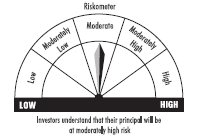 | This product is suitable for investors who are seeking* • Optimal returns over medium to long term • To generate stable returns while maintaining liquidity through active management of a portfolio of debt and money market instruments |
| Axis Triple Advantage Fund (An open ended scheme investing in equity, debt and gold) |  | This product is suitable for investors who are seeking* • Capital appreciation & generating income over long term. • Investment in a diversified portfolio of equity and equity related instruments, fixed income instruments & gold exchange traded funds. |
| Axis Dynamic Equity Fund (An open ended dynamic asset allocation fund) | 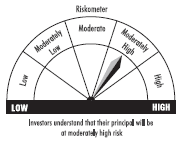 | This product is suitable for investors who are seeking* • Capital appreciation while generating income over medium to long term • Investment in equity and equity related instruments as well as debt and money market instruments while managing risk through active asset allocation |
| Axis Credit Risk Fund (An open ended debt scheme predominantly investing in AA and below rated corporate bonds (excluding AA rated corporate bonds) | 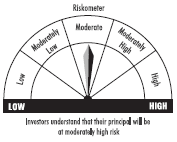 | This product is suitable for investors who are seeking* • Stable returns in the short to medium term • Investment in debt and money market instrum nts across the yield curve and credit spectrum. |
| Axis Short Duration Fund (An open ended short duration debt scheme investing in instruments such that the Macaulay duration of the portfolio is between 1 year to 3 years) | 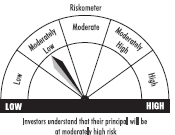 | This product is suitable for investors who are seeking* • Regular income while maintaining liquidity over short duration • Investment in debt and money market instruments |
| Axis Equity Hybrid Fund (An open ended hybrid scheme investing predominantly in equity and equity related instruments) | 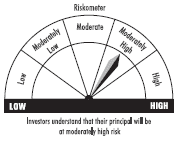 | This product is suitable for investors who are seeking* • Capital appreciation along with generation of income over medium to long term • Investment in equity and equity related instruments as well as debt and money market instruments. |
* Investors should consult their financial advisers if in doubt about whether the product is suitable for them.
Disclaimers
Source: Axis MF Internal Analysis, Budget Documents 2020.
Statutory Details: Axis Mutual Fund has been established as a Trust under the Indian Trusts Act, 1882, sponsored by Axis Bank Ltd. (liability restricted to `1 Lakh).
Trustee: Axis Mutual Fund Trustee Ltd.
Investment Manager: Axis Asset Management Co. Ltd. (the AMC).
The above changes to taxation is subject to presidential assent to the finance bill 2020. The document has been prepared on the basis on the budget
documents published by the ministry of finance and should not be used for tax planning given the individual nature of income tax. This document represents
the views of Axis Asset Management Co. Ltd. and must not be taken as the basis for an investment decision. Neither Axis Mutual Fund, Axis Mutual Fund
Trustee Limited nor Axis Asset Management Company Limited, its Directors or associates shall be liable for any damages including lost revenue or lost
profits that may arise from the use of the information contained herein. Axis Bank Limited is not liable or responsible for any loss or shortfall resulting from
the operation of the scheme. No representation or warranty is made as to the accuracy, completeness or fairness of the information and opinions contained
herein. The material is prepared for general communication and should not be treated as research report. The data used in this material is obtained by Axis
AMC from the sources which it considers reliable. While utmost care has been exercised while preparing this document, Axis AMC does not warrant the
completeness or accuracy of the information and disclaims all liabilities, losses and damages arising out of the use of this information. Investors are
requested to consult their financial, tax and other advisors before taking any investment decision(s). The AMC reserves the right to make modifications and
alterations to this statement as may be required from time to time.
Mutual Fund Investments are subject to market risks, read all scheme related documents carefully.
Calculator
View All