Axis Nifty Energy ETF

banner-image

Axis Nifty Energy ETF

Axis Nifty Energy ETF is an open-ended Exchange Traded Fund that aims to track the performance of the Nifty Energy TRI, subject to tracking error and tracking difference. It provides exposure to companies operating across key energy segments such as oil, gas, power generation, transmission and related industries.^ The ETF follows a passive investment strategy by investing predominantly in the constituents of the Nifty Energy Index.

Why Invest in Energy ETFs?

India's energy sector plays a vital role in powering economic growth and infrastructure development. The Nifty Energy Index is designed to track companies operating across key segments of the energy ecosystem, including petroleum, gas, power generation, transmission, distribution, and related industries.^ The index can hold up to 40 stocks from the energy theme, offering diversified exposure to this important sector.

For investors who wish to participate in the growth potential of India's energy space without selecting individual stocks, an Energy ETF can provide a convenient solution. By tracking an established market index, investors gain exposure to a basket of energy-related companies through a single investment.

Why Choose Axis Nifty Energy ETF?

Axis Nifty Energy ETF is an open-ended Exchange Traded Fund that seeks to provide returns, before expenses, corresponding to the performance of the Nifty Energy TRI, subject to tracking error and tracking difference. The scheme follows a passive investment approach, aiming to replicate the underlying index rather than actively selecting stocks.

The ETF invests predominantly in securities that form part of the Nifty Energy Index and aims to mirror the weight allocation of the index constituents. This enables investors to gain access to a diversified portfolio of energy-related companies through a single product while benefiting from the transparency of an index-based investment strategy

How Does Axis Nifty Energy ETF Work?

Axis Nifty Energy ETF tracks the Nifty Energy TRI by investing primarily in the same stocks that constitute the index and in similar weightages. Under normal circumstances, atleast 95% of the portfolio is invested in index constituents, while a small portion may be allocated to money market instruments, debt and liquid mutual fund schemes for liquidity requirements.

As an ETF, the units are proposed to be listed on stock exchanges, allowing investors to buy or sell units during market hours. The fund portfolio is periodically rebalanced to reflect changes in the index composition, helping maintain alignment with the benchmark and minimizing tracking error over time.

Benefits of Investing in Axis Nifty Energy ETF

the-10-trillion-opportunity-image

Provides exposure to a diversified basket of energy-related companies through a single investment.

performance-across-market-cycles-image

Tracks the Nifty Energy TRI, enabling investors to participate in the performance of the energy sector.

1-lakh-to-70-lakh-image

Follows a passive investment approach with holdings aligned to the underlying index.

one-fund-complete-energy-sector-image

Offers transparency through a rules-based index methodology and periodic rebalancing.

monthly-10-000-sip-image

Units can be bought and sold on stock exchanges during market hours, providing trading flexibility.

Who Should Invest?

investors-bullish-on-india-s-energy-growth-image

Investors seeking exposure to India's energy sector through a single investment vehicle.

india-growth-story-believers-image

Investors looking for a passive investment strategy that tracks a benchmark index

existing-mutual-fund-investors-seeking-diversification-image

Investors who prefer diversification within the energy theme rather than investing in individual stocks.

long-term-wealth-creators-image

Investors with a long-term investment horizon and the ability to withstand market fluctuations.

first-time-equity-investors-image

Investors comfortable with risks associated with equity markets and sector-focused investing.

Regulatory Info

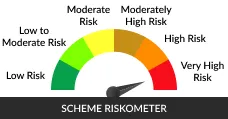
Axis Nifty Energy ETF

(An open ended scheme replicating/ tracking Nifty Energy TRI.)

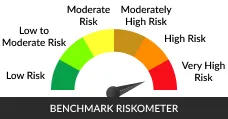
Benchmark: Nifty Energy TRI

  • To provide returns before expenses that correspond to the performance of Nifty Energy TRI subject error/tracking difference to tracking difference.
  • There is no assurance that the investment objective of the scheme will be achieved.*
*Investors should consult their financial advisers if in doubt about whether the product is suitable for them.

(The risk-o-meter assigned during the New Fund Offer is based on internal assessment of the Scheme Characteristics or model portfolio and the same may vary post NFO when actual investments are made)

Investors are advised to refer to the Statement of Additional Information (SAI) for details of the Axis MutualFund, Standard Risk Factors, Special Considerations, Tax and Legal issues and other general informationon www.axismf.com

riskometer
riskometer

Fund Manager

Mr. Nandik Malik
Mr. Rohit Gautam

Documents

Schemes pdf
Schemes pdf

FAQs

What is the Axis Nifty Energy ETF?
up arrow

Axis Nifty Energy ETF is an open-ended Exchange Traded Fund that aims to track the performance of the Nifty Energy TRI, subject to tracking error and tracking difference.

How does the Axis Nifty Energy ETF work?
arrow

What is the investment objective of the Axis Nifty Energy ETF?
arrow

Which companies are included in the Nifty Energy Index tracked by the ETF?
arrow

How can I buy and sell the Axis Nifty Energy ETF?
arrow

Do I need a Demat and trading account to invest in the Axis Nifty Energy ETF?
arrow

Can I trade the Axis Nifty Energy ETF during market hours?
arrow

Why does the market price of the Axis Nifty Energy ETF differ from its NAV?
arrow

What are the benefits of investing in the Axis Nifty Energy ETF?
arrow

What are the risks associated with the Axis Nifty Energy ETF?
arrow

How does liquidity impact the Axis Nifty Energy ETF?
arrow

Is the Axis Nifty Energy ETF suitable for long-term investing?
arrow

How is the Axis Nifty Energy ETF taxed in India?
arrow

Who should invest in the Axis Nifty Energy ETF?
arrow

What is the difference between the Axis Nifty Energy ETF and the Axis Nifty Energy Index Fund?
arrow

Is the Axis Nifty Energy ETF a good investment for long-term wealth creation?
arrow

Can I buy the Axis Nifty Energy ETF using any brokerage app?
arrow

How is an ETF different from a other mutual fund units?
arrow

What happens if the ETF has low trading volume?
arrow

What costs should I consider before investing in an ETF?
arrow

What is the Axis Nifty Energy ETF?

Axis Nifty Energy ETF is an open-ended Exchange Traded Fund that aims to track the performance of the Nifty Energy TRI, subject to tracking error and tracking difference.

How does the Axis Nifty Energy ETF work?

The ETF invests primarily in the constituents of the Nifty Energy Index in similar weightages to replicate the index's performance.

What is the investment objective of the Axis Nifty Energy ETF?

The scheme seeks to provide returns before expenses that correspond to the performance of the Nifty Energy TRI, subject to tracking error and tracking difference.

Which companies are included in the Nifty Energy Index tracked by the ETF?

The index includes companies from the energy ecosystem such as Reliance Industries, ONGC, Coal India, NTPC, Power Grid, GAIL and other energy-related businesses.^

How can I buy and sell the Axis Nifty Energy ETF?

Investors can buy and sell ETF units on stock exchanges through a registered stockbroker during market hours.

Do I need a Demat and trading account to invest in the Axis Nifty Energy ETF?

Yes, ETF units are traded on stock exchanges and are held in demat form.

Can I trade the Axis Nifty Energy ETF during market hours?

Yes, ETF units can be bought or sold on the stock exchange throughout trading hours like listed stocks

Why does the market price of the Axis Nifty Energy ETF differ from its NAV?

The market price may vary from NAV due to demand-supply dynamics and prevailing market conditions

What are the benefits of investing in the Axis Nifty Energy ETF?

The ETF provides diversified exposure to the energy sector through a single, index-based investment.

What are the risks associated with the Axis Nifty Energy ETF?

The ETF is subject to market risk, liquidity risk, tracking error risk, regulatory risk and sector-specific risks associated with energy companies.

How does liquidity impact the Axis Nifty Energy ETF?

Lower liquidity can affect trading volumes and may lead to ETF prices trading at a premium or discount to NAV.

Is the Axis Nifty Energy ETF suitable for long-term investing?

It may be suitable for investors seeking long-term exposure to India's energy sector through a passive investment approach.

How is the Axis Nifty Energy ETF taxed in India?

As an equity-oriented fund, long-term capital gains above ₹1.25 lakh are taxed at 12.5%, while short-term capital gains are taxed at 20%, subject to prevailing tax laws.*

Who should invest in the Axis Nifty Energy ETF?

The ETF may suit investors seeking diversified, long-term exposure to energy-related companies and who are comfortable with equity market risks.

What is the difference between the Axis Nifty Energy ETF and the Axis Nifty Energy Index Fund?

The ETF is traded on stock exchanges, while an index fund is bought and redeemed directly with the mutual fund at applicable NAV

Is the Axis Nifty Energy ETF a good investment for long-term wealth creation?

Investors seeking long-term participation in the energy sector may consider the ETF as part of their broader investment portfolio.

Can I buy the Axis Nifty Energy ETF using any brokerage app?

Yes, investors can buy ETF units through brokerage platforms that provide access to stock exchange trading.

How is an ETF different from a other mutual fund units?

An ETF trades on stock exchanges like a stock, whereas traditional mutual fund units are purchased or redeemed at NAV through the fund house.

What happens if the ETF has low trading volume?

Low trading volume may impact liquidity and can result in a wider difference between the ETF's market price and NAV.

What costs should I consider before investing in an ETF?

Investors should consider the scheme's expense ratio, brokerage charges and applicable taxes before investing.

Disclaimer

^Source: Nifty Indices, Data as of 30-Jun-2026. Past performance may or may not be sustained in the future. The above information should not be construed as promise, guarantee or forecast of returns. The Stocks/Industries mentioned herein are for general assessment purpose only and not a complete disclosure of every material fact. It should not be construed as investment advice to any party. https://www.niftyindices.com/indices/equity/thematic-indices/nifty-energy The stocks are the constituents of Nifty Energy Index.

* For individual nature of tax implications, investors are requested to consult their tax advisors before investing.

For NSE & BSE Disclaimers refer SID.

Axis Bank Ltd. is not liable or responsible for any loss or shortfall resulting from the operation of the scheme.

Mutual Fund Investments are subject to market risks, read all scheme related documents carefully.