CSR
Mission 2 Million

Areas of Focus
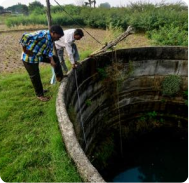
Facilitating Natural Resource Management
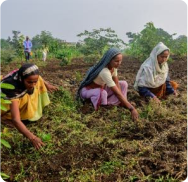
Increasing Agricultural Productivity
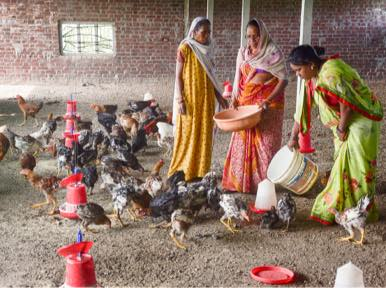
Encouraging a Basket of Livelihoods
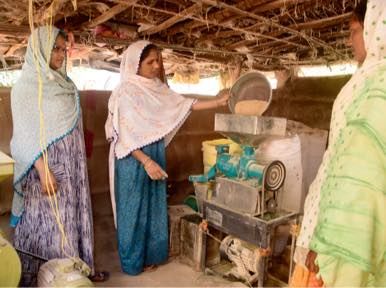
Developing Rural Economies
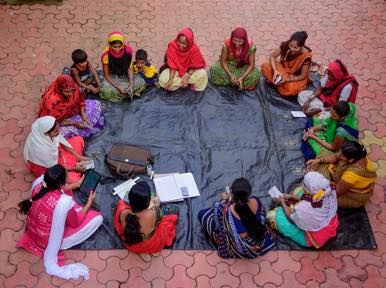
Fostering Community Collectives
Our commitment through Corporate Social Responsibility (CSR)
- We channelise our CSR to address pressing socio-economic and ecological challenges faced by rural communities in India. Axis Bank Ltd. and its subsidiaries (Axis AMC and other eligible Axis Group entities) are collectively committed towards reaching out to rural communities to help them achieve credible paths to stable livelihoods through the Sustainable Livelihoods Programme. The goal of this initiative is to meaningfully impact 2 million rural households by 2027.
- Along with Axis Bank Ltd. and its subsidiaries, we are collectively committed towards reaching out to rural communities to help them achieve credible paths to stable livelihoods through the Sustainable Livelihoods Programme implemented by Axis Bank Foundation.
- The Programme focuses on diversifying income-generating opportunities, strengthening and increasing farm productivity, improving natural resource management and increasing employability and entrepreneurial skills of rural youth.
- This multi-faceted approach towards livelihoods enables rural communities to increase their income, gain access to credit and build their capacities to be agents of change in their own communities. Read more about our efforts here.
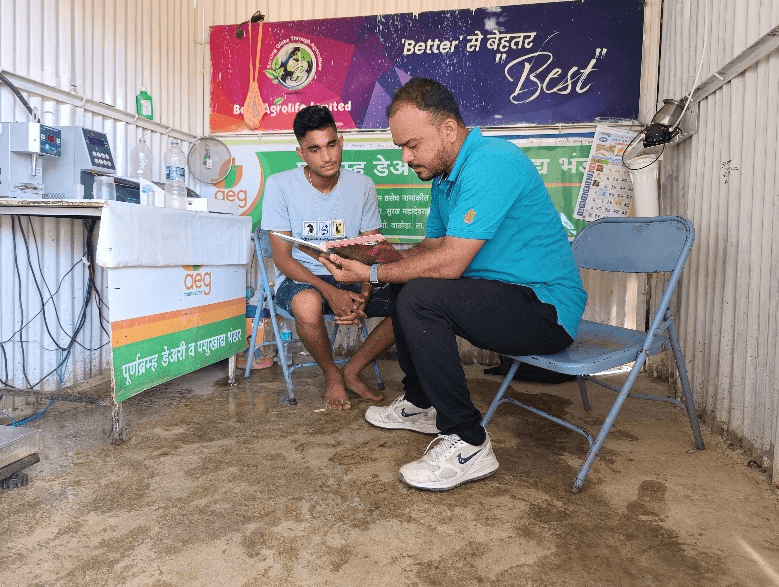
"I learned different aspects through Agri-Entrepreneur Growth Foundation’s entrepreneurship training programme- from innovative farming practices, and business plan development to effective communication skills."
People: Suraj Bhalerao and his family reside in Wathoda village, Amravati district, and have relied on agriculture as their primary source of income. However, economic instability, exacerbated by changing rainfall patterns, has been a persistent challenge. Suraj initially pursued a career in marketing for a local seed company, but its closure left him unemployed.
Pathway: Driven by the desire to establish his own venture, Suraj attended an awareness drive organised by the Agri-Entrepreneur Growth Foundation (AEGF), Axis Bank Foundation partner under the Sustainable Livelihood Programme. Inspired by the entrepreneurship programme, he developed a vision to set up a milk collection centre in his village. Despite facing challenges in securing loans due to his low credit score and insufficient collateral, Suraj obtained INR 25,000 from a microfinance company with AEGF’s guidance. He also identified a demand for high-quality nutritious animal feed, prompting him to expand his enterprise.
Progress: Suraj’s milk collection centre now collects over 600 litres daily, serving more than 100 farmers. He sells 250-300 bags of animal feed monthly, improving farmers' access to high-quality feed and increasing livestock numbers. His efforts led to increased milk production and higher farmer incomes. With improved credit scores and timely loan repayment reminders from AEGF, he secured a more significant loan from a nationalised bank to build a storage space for animal feed. Suraj’s enterprise has brought new opportunities to the village, helping farmers save time and money, and increasing household incomes. He plans to purchase a crusher to prepare animal feed, aiming to cater further to the community’s emerging demands, while continuing to innovate, pushing the boundaries of what’s possible with his enterprise
"I learned different aspects through Agri-Entrepreneur Growth Foundation’s entrepreneurship training programme- from innovative farming practices, and business plan development to effective communication skills."
People: Suraj Bhalerao and his family reside in Wathoda village, Amravati district, and have relied on agriculture as their primary source of income. However, economic instability, exacerbated by changing rainfall patterns, has been a persistent challenge. Suraj initially pursued a career in marketing for a local seed company, but its closure left him unemployed.
Pathway: Driven by the desire to establish his own venture, Suraj attended an awareness drive organised by the Agri-Entrepreneur Growth Foundation (AEGF), Axis Bank Foundation partner under the Sustainable Livelihood Programme. Inspired by the entrepreneurship programme, he developed a vision to set up a milk collection centre in his village. Despite facing challenges in securing loans due to his low credit score and insufficient collateral, Suraj obtained INR 25,000 from a microfinance company with AEGF’s guidance. He also identified a demand for high-quality nutritious animal feed, prompting him to expand his enterprise.
Progress: Suraj’s milk collection centre now collects over 600 litres daily, serving more than 100 farmers. He sells 250-300 bags of animal feed monthly, improving farmers' access to high-quality feed and increasing livestock numbers. His efforts led to increased milk production and higher farmer incomes. With improved credit scores and timely loan repayment reminders from AEGF, he secured a more significant loan from a nationalised bank to build a storage space for animal feed. Suraj’s enterprise has brought new opportunities to the village, helping farmers save time and money, and increasing household incomes. He plans to purchase a crusher to prepare animal feed, aiming to cater further to the community’s emerging demands, while continuing to innovate, pushing the boundaries of what’s possible with his enterprise
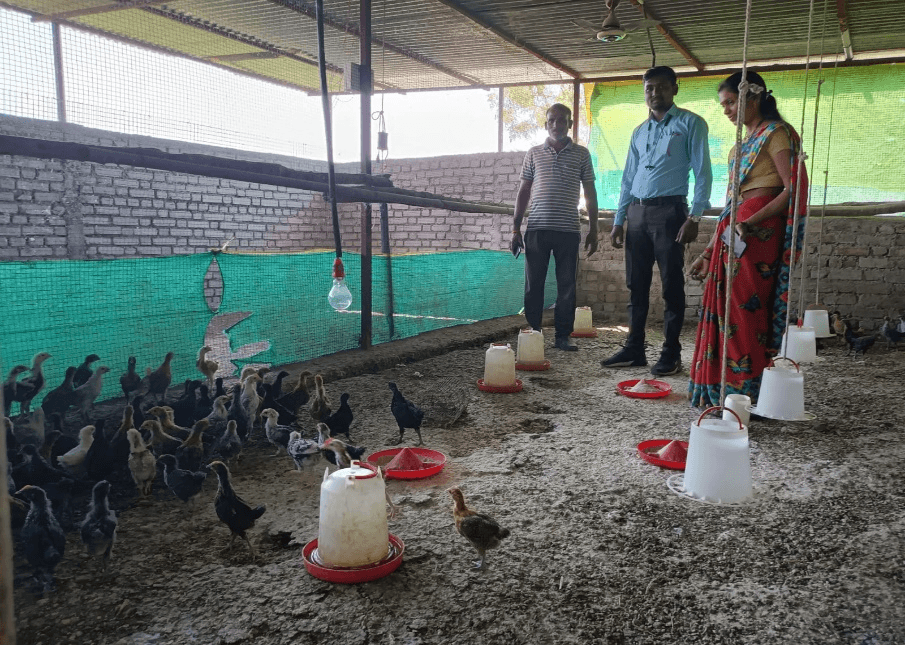
"Through the Agri-Entrepreneur training, I’ve significantly improved my crop yields and diversified my income. The skills I’ve gained in nutrient management and poultry farming have truly transformed my family’s future."
People: Vimal Mankar’s family of six cultivates cotton and soybean on their four-acre plot in Balarpur, Wardha district, Maharashtra. This region faces significant issues such as drought and prevalent illiteracy. Vimal encountered numerous challenges including limited market access, unfair pricing, frequent pest attacks, high costs of chemical fertilisers, low groundwater levels, crop failures, lack of credit, and insufficient farming knowledge.
Pathway: To establish an alternate source of income, Vimal attended the entrepreneurship training organized by the Agri-Entrepreneur Growth Foundation (AEGF). She joined the sixth AE training batch in Wardha to learn more about agri-allied businesses. Vimal applied her newly acquired skills in nutrient, pest, and disease management to her crops, thereby significantly increasing their yields. Engaging with the community, she conducted Farmer’s Meetings, educating fellow farmers on these effective techniques. Additionally, she discovered and pursued a low-cost layer farming business during her training.
Progress: Through the knowledge gained and application of advanced farming practices, Vimal not only increased her crop yields but also expanded her sources of income. She set up a small shed to house 100 Layer chickens, which boosted her monthly income. Inspired by her success, she motivated four more farmers to start layer farming. The project led to improved connectivity among farmers, enhanced their income, provided an alternative income source, and increased crop intensity. Vimal’s efforts have garnered her more respect in her community, showcasing the ripple effects of the project on broader aspects of life.
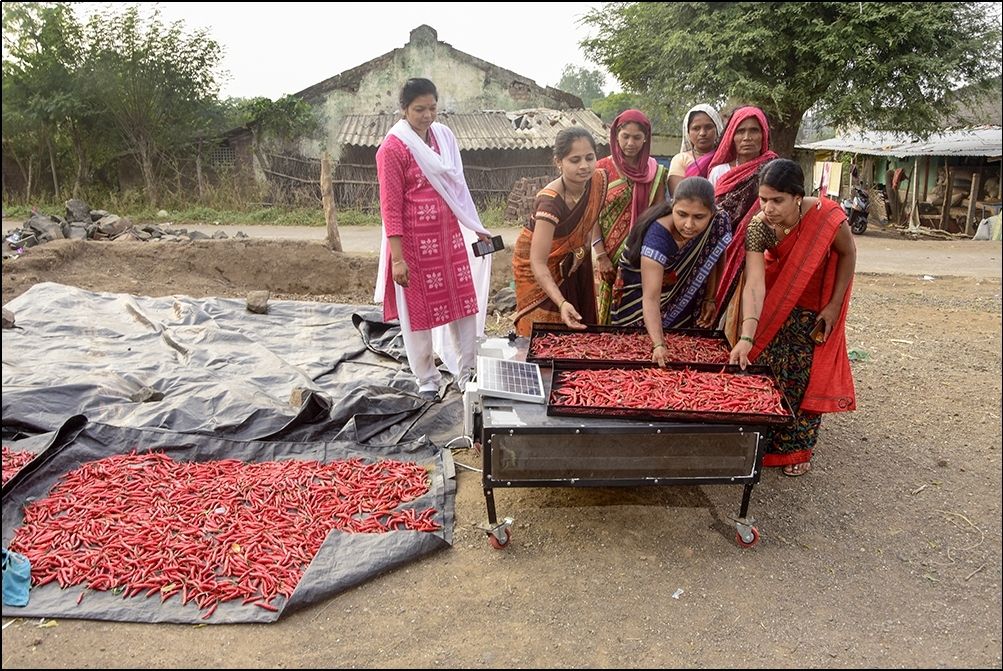
Lack of storage facilities coupled with the lack of technologies for value addition to vegetable production was causing grave concerns for the farmers of Nandurbar district, a significant vegetable growing belt in Maharashtra. When market prices were low, farmers would suffer income losses as the perishables had a short shelf-life and would begin to rot if stored in the hope of gaining better prices later.
In order to increase the shelf-life of the produce and steady the income from agriculture, low-cost solar dryers were introduced through the project. This technique involved naturally drying the vegetables, thus preserving the colour, flavour and nutrient value. The project trained women from the community SHGs on processing techniques, methods of dehydration, cutting of vegetables and equipped management. The women began dehydrating onion, methi, and coriander. Post dehydration, the vegetables were packed and sold in nearby markets where they fetched a reasonably high price.
The introduction of solar dryers enabled farmers to earn a stable income from their produce and also provided a source of income to women in the village.
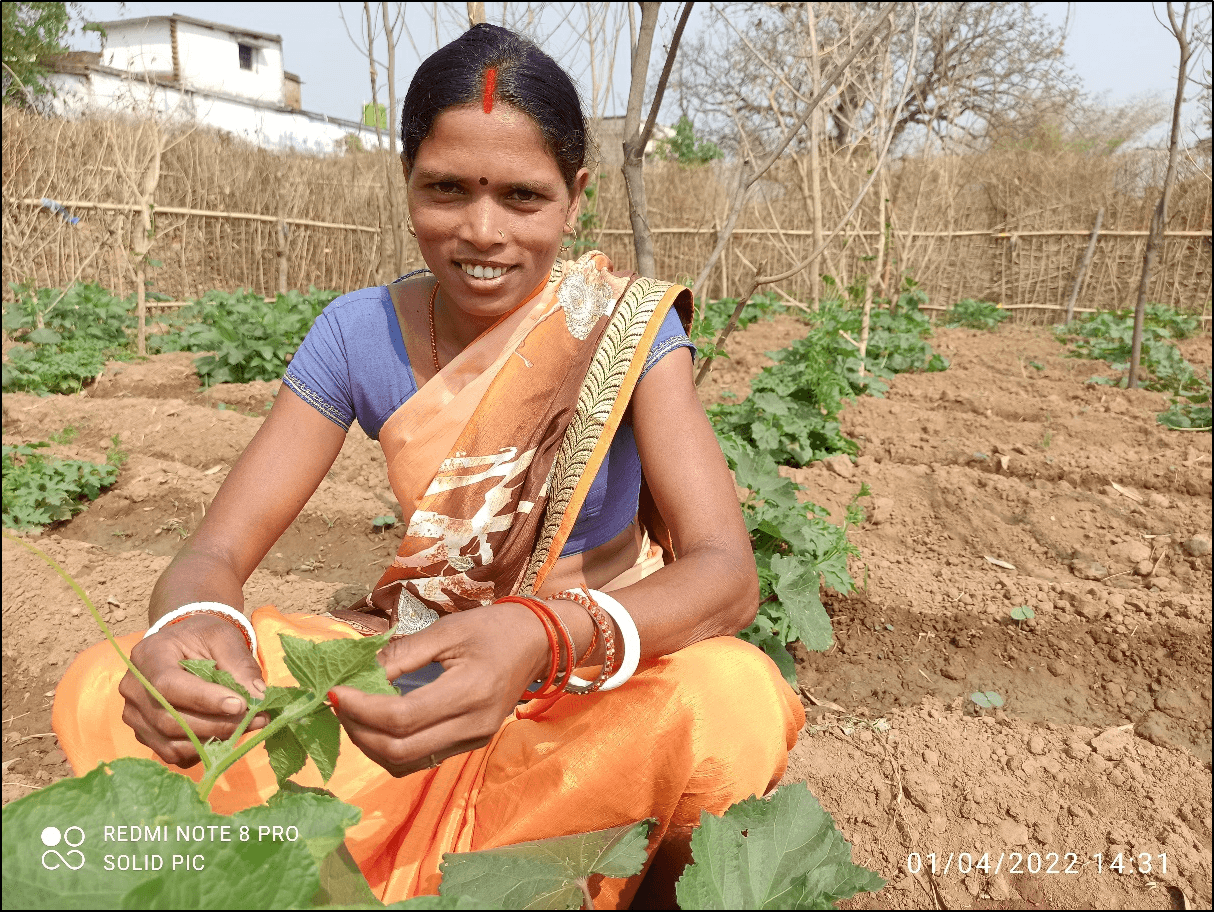
Begmati Devi is a progressive farmer in Pokharia village. She began working on her farm after her marriage.
Begmati Devi joined her community SHG group through which she was trained on machaan (trellis) farming. Though the technique was new to her, she was provided all the technical and hand-holding support through the program to establish a machaan. She cultivated bitter gourd, bottle gourd and ridge gourd on the same machaan. Apart from access to seeds and machaan materials, Begmati was also trained on preparing bio-pesticides for cultivation. This significantly reduced her input costs and improved soil health.
Based on her experience, she started a nursery of fruit and timber plants. Through this, she is raising a nursery of 35,000 saplings that will be supplied to Farmer Producers’ Organizations.
Today, Begmati Devi is an entrepreneur with a steady source of income, earning an 80% profit from her produce. She has access to vegetables for her house and has also employed 8-10 people to work with her.
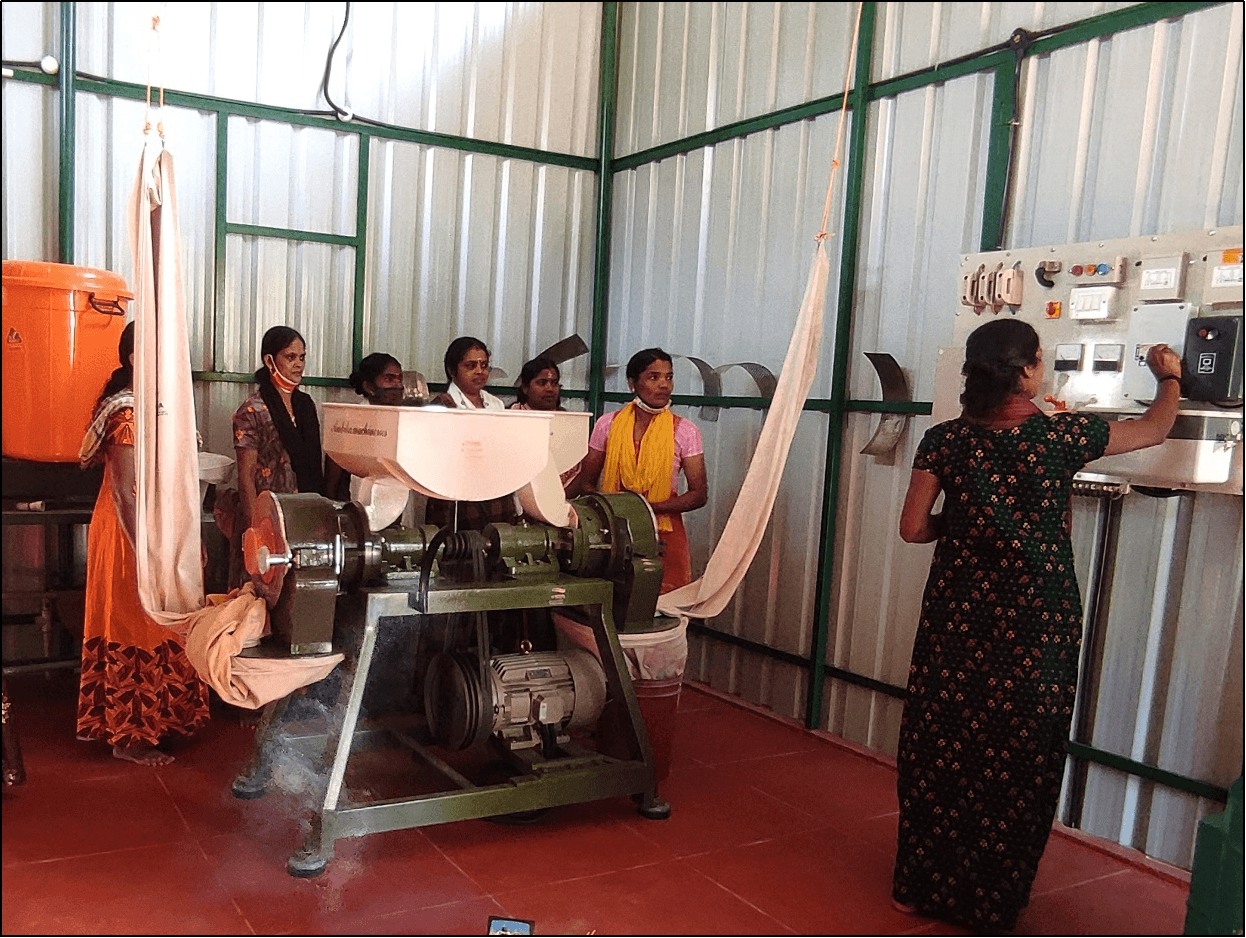
Women in the village were looking for income generation opportunities in order to contribute to their household income. Through the community SHG, the women were introduced to various livelihood activities. Based on their interest and capability, they decided to start an agro-based enterprise with the support of the project.
Through the project, they were taken for exposure visits and subsequently trained in producing different types of curry masala, nutrition and coffee powders. The women initially processed 5 kgs per day. Today, they have grown in efficiency and can process 100 kgs daily. To support farmers in the community, they procure raw materials from them. This ensures quality as well as reduces their transportation costs. The unit doubles up as a flour mill that grinds rice, wheat, chilly, etc. for a stipulated time every day.
The group has managed to get all licenses including an FSSAI license. They are working towards expanding their products and selling the produce at retail outlets. They are also currently in the process of purchasing the land that they have leased to establish the mill.
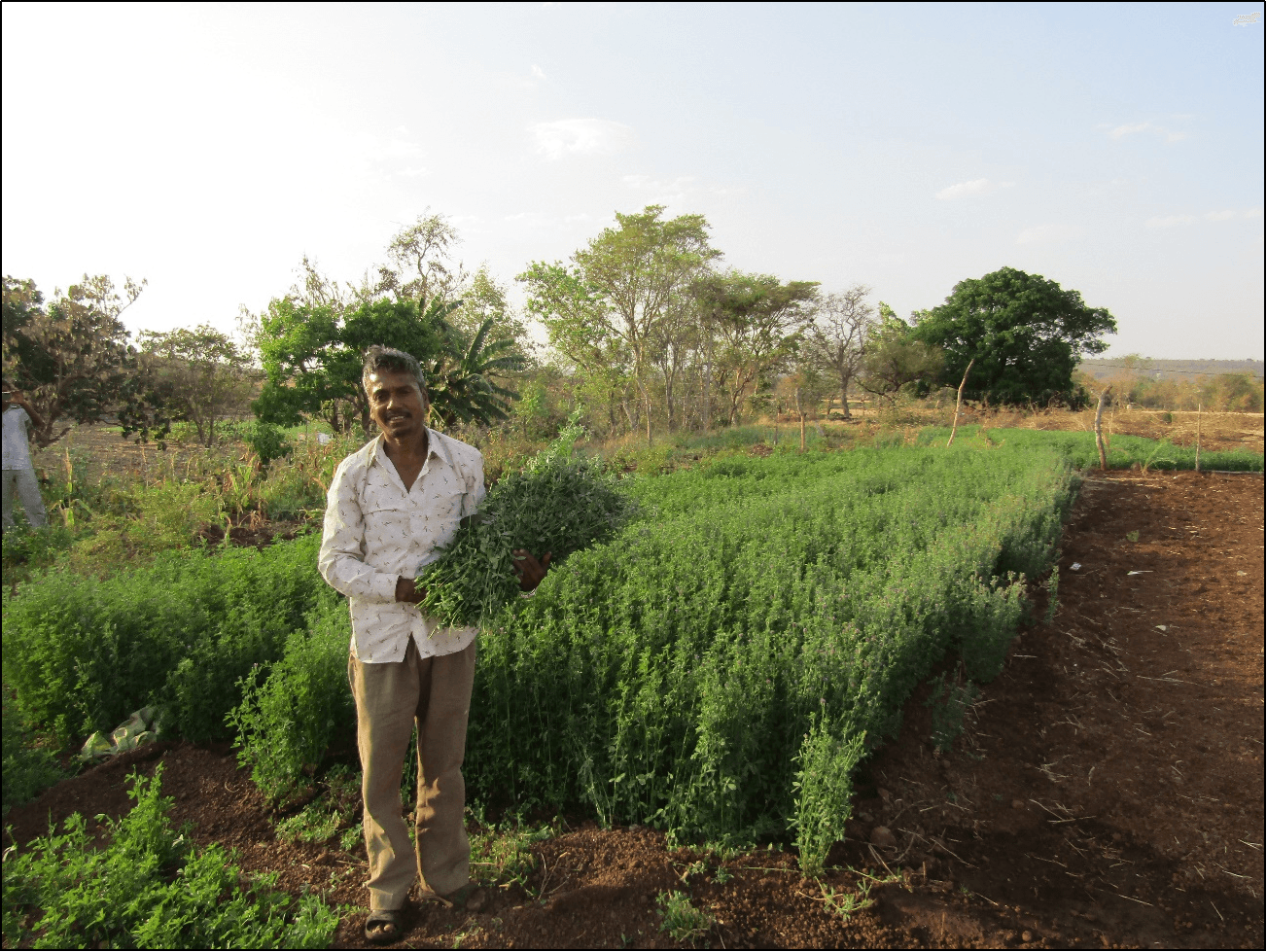
Kushal is a marginal farmer who supports his wife and three children. His income from farm-based activities was insufficient to meet the family’s needs. To supplement his income, Kushal migrated to nearby cities to make a living.
In Dhikniya village, a watershed project was launched which increased water availability. This allowed Kushal to increase his cropping intensity beyond the monsoon season which resulted in a steady source of income. Additionally, Khusal began livestock rearing to enhance his basket of livelihoods. Through the project, he was trained on livestock management and gained access to healthcare services such as deworming and vaccination. Kushal was motivated to become a livestock advisor to other villagers. Through the project, he received the necessary training and began to encourage fellow villagers to adopt goat rearing as an additional stream of income.
Having established a stable livelihood, Kushal’s family was able to make substantial changes in their day-to-day life. He enrolled his youngest son in private school as he could now afford the fees. He further encouraged his daughter to take up a teacher training course in a nearby town.
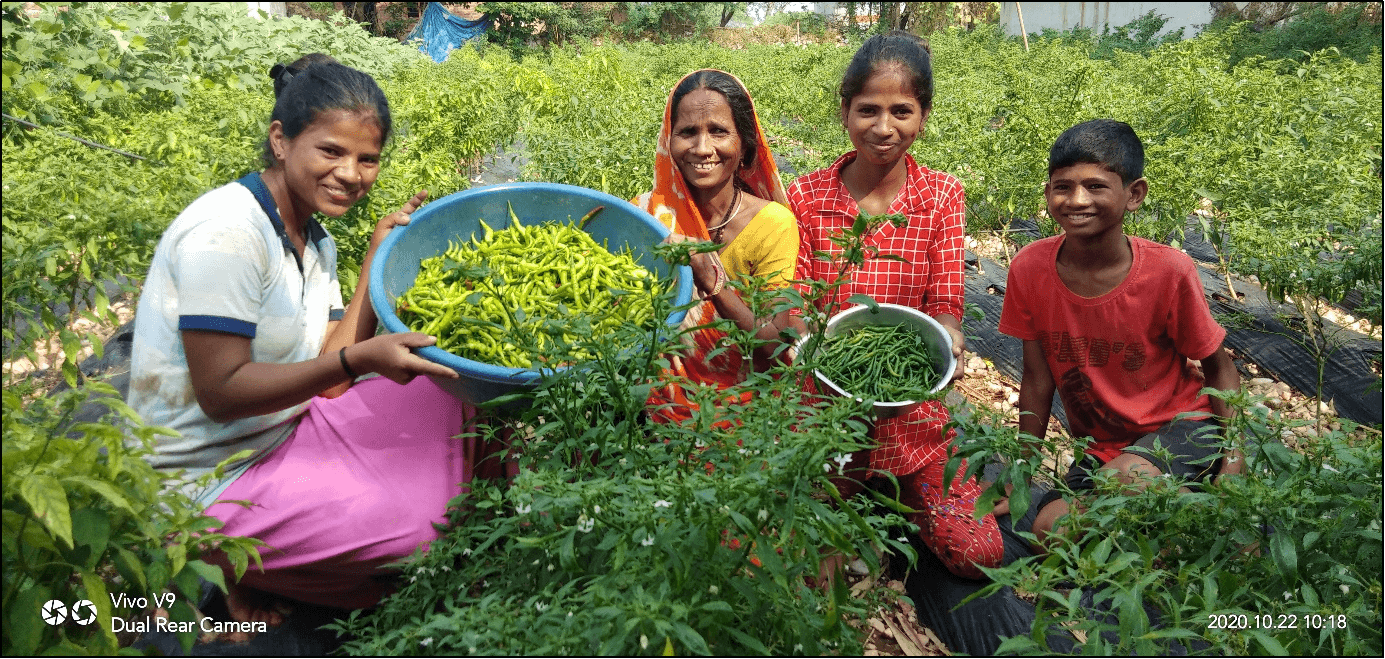
Tijuben Khatu, from Magarda Khatelasath in Rajasthan, was forced to migrate regularly to earn a living. Due to constant migration, she lived without a permanent roof over her head and often in unsanitary conditions. Her children were unable to attend school since they were frequently on the move. Due to the living challenges that accompanied migration, Tijuben decided to return to her village and practice agriculture to sustain her family.
She joined the community Self-Help Group (SHG) and became an active participant in the agricultural training courses that promoted high-value crops. Adopting the learnings from these courses, Tijuben began to cultivate a staple crop to meet the food requirements of the family. She also diversified into growing vegetables as they have shorter harvesting cycle and she would be able to earn an income round-the-year.
Tijuben moved from being a migrant in search of work to a farmer with a steady source of income. She earned a sufficient profit with which she was able to provide her children access to good education. Her daughter has completed her B.Sc. and is currently enrolled in a nursing programme.
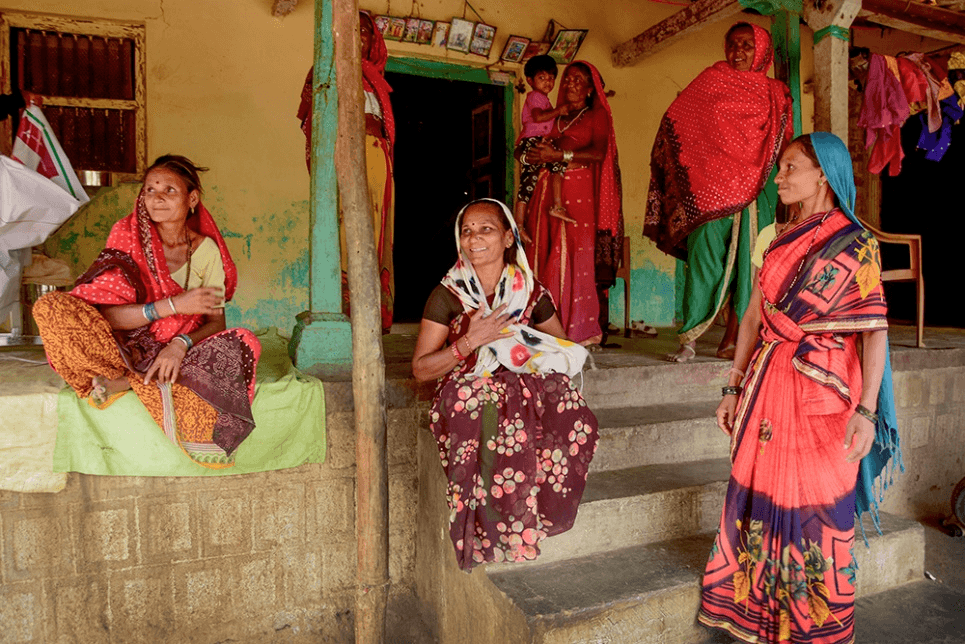
People: The Adivasi Mahila Gram Sangh (Tribal Women Village Federation) of Khokase village comprising of 18 Women's Self Help Groups, were provided a source of income generation of working with an oil extraction facility to produce edible groundnut oil at village level. However, the whole process incurred travelling to far off villages, stay in long queues, sleep in the open at night till the entire oil extracting process was over. This created a lot of inconvenience to the women at work besides it being time-consuming.
Pathway: As part of the SLP project, the federation installed an oil extraction machine in their village aimed at increasing oil extraction production by offering scale and convenience for the rural women working in the collective micro-enterprise.
Progress: With the oil extraction machine operational, villagers no longer face the hassle of standing in long queues or spending additional money on travel for oil extraction.All the funds to manage the facility are managed by the women of the collective through the enterprise’s bank account that has led to significant confidence and capacity building of the rural women part of the federation.In the past year alone, the federation has earned significant increase in income and plans are underway to further increase revenue by selling pure extracted groundnut oil at wholesale prices.
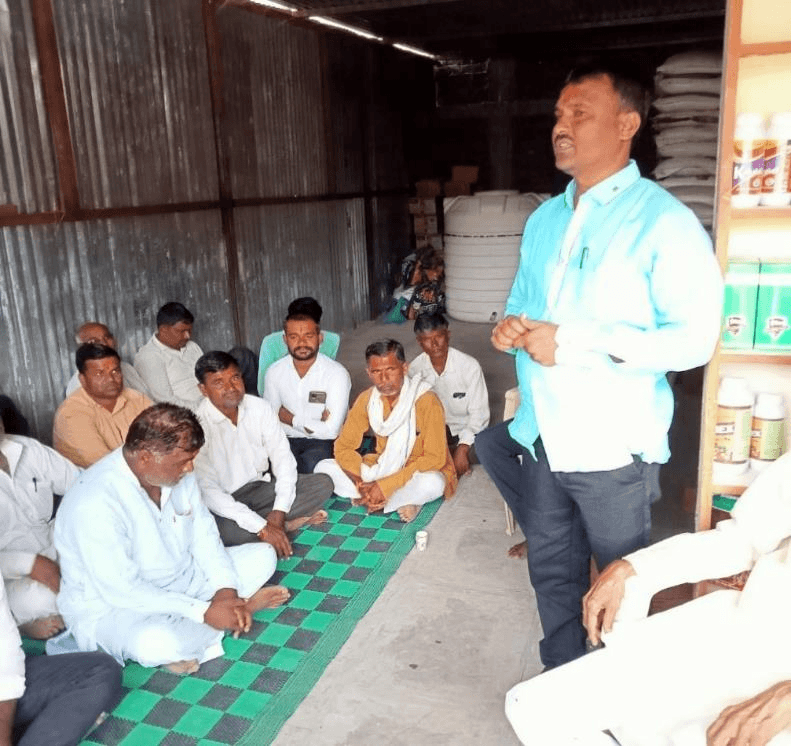
People: Rajkumar Bhojne is a 29-year-old farmer who earns his living from the 4 acres of land that he owns in Kothi, that falls under Ghansawangi taluka of Jalna, a drought-prone district in Maharashtra. Kothi consists of agricultural labourers who are mostly illiterate and unaware about the government schemes they can utilize to improve their income. Rajkumar decided to start a collective marketing business in the village to help them access such information and get fair prices for their produce but could not secure capital needed to set this up.
Pathway: As part of the SLP project, a farmer’s meeting was conducted by an Agri-Entrepreneur Mentor (AEM) in Kothi that helped Rajkumar complete the AE training programme. He worked with local AEM to start connecting his fellow farmers’ soyabean produce to a mill in Jalna district and earn a commission through the market linkage. He was mentored to start arranging farmers’ meetings to create awareness about government schemes, and provide localized agri-advisory and solutions to their local farming-related problems through field visits. He started a kiosk to provide digital banking & crop insurance services in Kothi.
Progress: Through his collective marketing business, Rajkumar was able to build knowledge about the agri-output market among farmers; he taught them digital tools & social media and its effective usage to access agricultural resources. The farmers formed a network where they can today discuss everything related to their cultivation. This has seen an increase in crop productivity and income levels for Rajkumar and the entire farmers’ network in Kothi.